Understand what commodities are, how energy, metals and agricultural markets move, the key factors driving prices, and how futures, spot markets and commodity CFDs expose traders to both opportunity and leverage risk.
What Are Commodities? Core Definition and Main Types
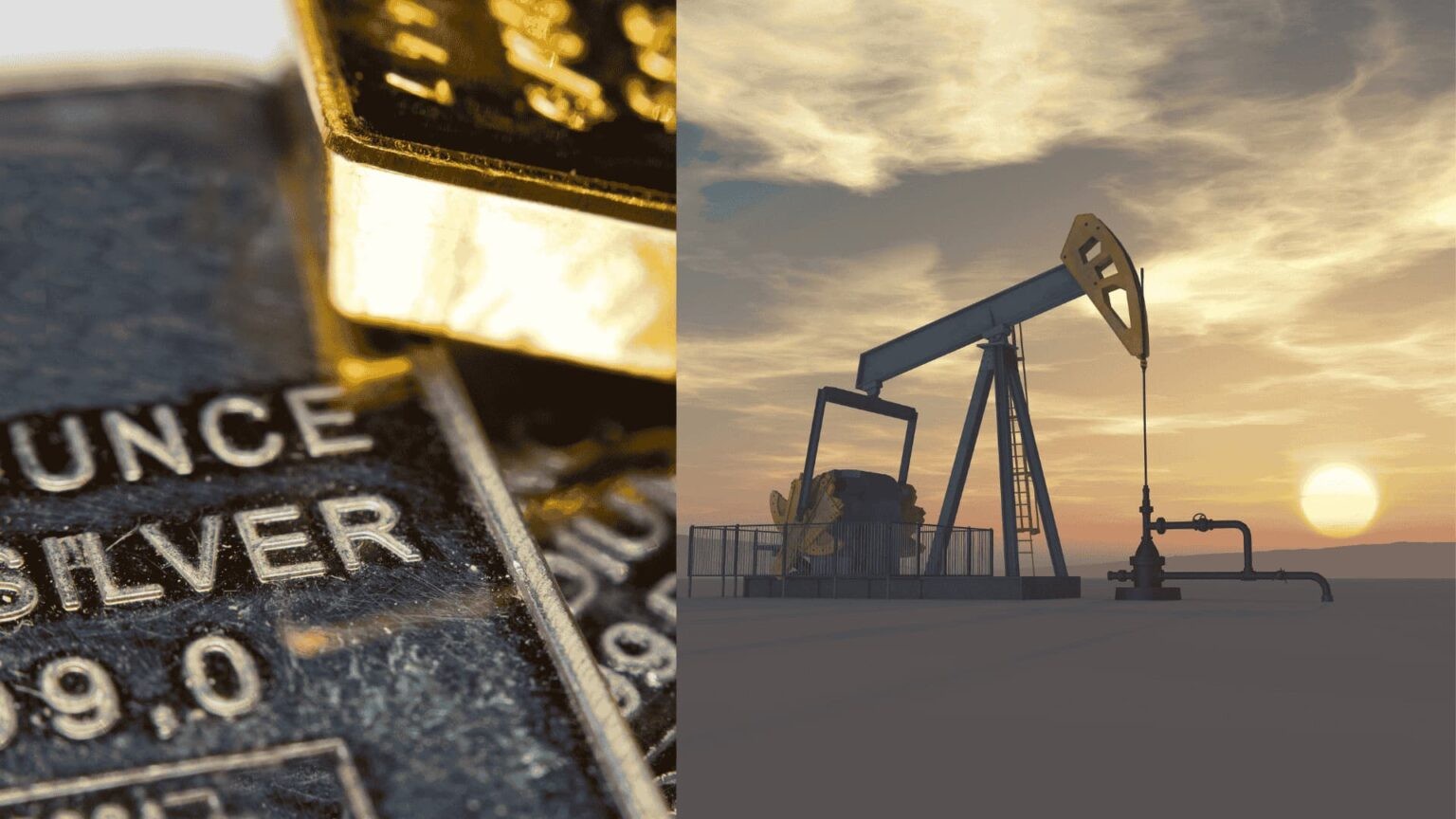
In global markets, commodities trading has long been a focus for investors. Commodities are economic resources that can be traded in global and local markets, usually including gold, silver, crude oil, natural gas, timber and agricultural products. These goods typically have large supply volumes, stable demand and relatively frequent price fluctuations, and they can be traded through futures markets. Because the market is large and highly liquid, it attracts a significant number of traders. The following sections examine the characteristics of commodities, the main factors affecting their price movements, and common trading methods.
Energy Commodities: Key Variables Driving the Global Economy
Energy commodities include crude oil, natural gas and other products. Their prices directly affect the global economy, with crude oil price movements having a particularly far-reaching impact on global markets. According to the latest report from the InternationalIEA, global oil demand is expected to decline in 2026 due to geopolitical conflict in the Middle East. Average annual demand is projected to be around 104 million barrels per day, approximately 1.3 million barrels per day below the forecast level before the conflict broke out, highlighting the high sensitivity of energy commodity prices to geopolitical events.
Precious and Industrial Metals: Dual Investment and Industrial Attributes
Metals such as gold, silver, copper and aluminium are not only valuable assets, but also indispensable raw materials in manufacturing. Taking gold as an example, according to the latest data from the World Gold Council, total global gold demand exceeded 5,000 tonnes for the first time in 2025, with a total value of around US$555 billion and annual growth of approximately 45%. Gold prices also reached 53 record highs during the year, reflecting the continued rise in the importance of gold as a safe-haven asset amid heightened geopolitical and economic uncertainty.
Four Major Trading Venues for Commodities
Commodity trading volumes are extremely large, and traders around the world participate through different markets. These venues provide efficient and transparent market environments, enabling traders to participate in commodity trading at any time and from anywhere, while improving trading convenience and market liquidity. The following table provides a systematic comparison of four main types of trading venues:
| Trading Venue | Trading Method | Main Participants | Liquidity Characteristics |
|---|---|---|---|
| Spot market | Immediate delivery of goods and funds | Upstream and downstream companies in the physical industry chain | Restricted by physical delivery, with relatively lower liquidity |
| Futures market | Trading through standardised derivative contracts, mainly used for speculation | Institutional investors and professional traders | High liquidity and strong price discovery function |
| Over-the-counter trading | Does not rely on an exchange, allowing both parties to customise trading terms | Retail brokers and their clients | High flexibility, with liquidity varying by broker |
| Electronic trading platforms | Provide real-time global market quotes and online order placement | Retail and institutional traders | Relatively high liquidity and a comparatively lower trading threshold |
In addition, many securities exchanges also offer commodity ETFs, allowing investors to gain indirect exposure to commodity markets. In most cases, spot markets and derivatives markets are interconnected, and price information is transmitted between them.
Ten Key Factors Affecting Commodity Prices
Supply and demand are the core factors determining commodity prices. When supply or demand is disrupted, prices usually fluctuate sharply. Key factors affecting commodity supply and demand include:
Geopolitical factors: Political instability in resource-rich regions may disrupt production and trade. For example, conflicts, sanctions or trade restrictions in oil-producing countries may limit global oil supply and cause prices to surge.
Currency fluctuations: Most commodities are priced in US dollars. When the dollar strengthens, purchasing costs for non-dollar buyers rise, demand falls and prices usually decline; the opposite is also true.
Economic indicators: Inflation may push commodity prices higher; rising interest rates can reduce corporate borrowing and investment, thereby lowering demand; economic growth usually increases demand for commodities.
Market speculation: Speculative trading in futures markets has a significant impact on prices. For example, if the market expects a certain agricultural product to suffer a production decline, speculators may buy heavily in advance, driving prices higher.
Weather conditions: Extreme weather, such as droughts, floods and hurricanes, may affect agricultural output and therefore prices.
Technological progress: Advances in mining, energy extraction and agricultural cultivation may increase supply and lower prices. For example, the development of shale oil technology has significantly increased crude oil supply.
Global events: Wars, pandemics and natural disasters may affect commodity supply chains and trigger non-linear price movements.
Substitutes: The rise of new energy sources, such as solar and wind power, is reducing reliance on traditional fossil fuels and affecting oil and coal prices.
Government policies: Subsidies, tariffs and environmental regulations may affect commodity production costs and supply. For example, carbon emission restrictions may push fossil fuel prices higher.
Inventory levels: High inventories usually indicate sufficient supply and downward pressure on prices; low inventories indicate supply shortages and make prices more likely to rise.
Recent Real-World Event: The Impact of Geopolitical Conflict on Global Commodity Markets
The geopolitical factors mentioned above are not merely theoretical. A textbook-style shock recently occurred in the international energy market. The following is a summary of a real-world event closely related to commodity price volatility:
Cause: In late February 2026, military conflict broke out in the Middle East, creating the risk of a prolonged blockade of the Strait of Hormuz, a crucial global crude oil transport route. Market concerns over crude oil supply disruptions rose sharply.
Development: Affected by the conflict, exports from Middle Eastern oil-producing countries were severely restricted, and crude oil output in the Gulf region once fell by more than 14 million barrels per day compared with pre-conflict levels, resulting in a historic disruption to global crude oil supply. The International Energy Agency therefore sharply lowered its forecast for global oil demand in 2026, expecting annual demand to shrink by around 420,000 barrels per day year on year. (Source: International Energy Agency, Oil Market Report, published on 2026-05-13)
Impact: This event not only increased short-term volatility in crude oil prices, but also further boosted market demand for safe-haven assets such as gold. It clearly illustrates how geopolitical risk can affect the price trends of different commodity categories through both supply shocks and safe-haven sentiment.
What Are Commodity Contracts for Difference?
Commodity contracts for difference are derivative contracts that allow traders to speculate on the price of underlying commodities. The contract is settled by paying the investor the profit or loss based on the price difference between the opening and closing prices of the trade. Commodity CFDs enable traders to speculate on commodity prices without actually buying or selling physical commodities. These instruments also provide leveraged trading, allowing traders to take long or short positions.
Five Major Advantages of Commodity CFDs
Leveraged trading: Traders only need to commit a small amount of capital to establish a larger market position. Leverage is usually expressed as a ratio, such as 100:1, 50:1, 30:1 and 10:1.
Two-way long and short trading: Traders who expect prices to rise can open long positions, while those who expect prices to fall can open short positions, making the approach more flexible than the spot market.
No ownership and no physical delivery: Traders do not hold any actual commodity, and no physical delivery is required when positions are closed, avoiding logistical difficulties.
Low trading costs: Most trading platforms charge spreads rather than commissions, making them more cost-efficient for high-frequency traders.
Access to global markets: Trading platforms usually offer diversified trading services covering precious metals, energy products and agricultural products.
When using leverage, traders can refer to the following formula to estimate the actual value of the position established:
The leveraged position value calculation formula is:
Position value = margin committed × leverage multiple
Frequently Asked Questions About Commodities
Why Are Commodities Viewed as a Tool for Hedging Inflation?
Commodity prices are often a leading indicator of inflation. When inflationary pressure rises, raw material and energy costs usually increase first, causing the purchasing power of money to decline. Since commodities such as gold and crude oil have intrinsic value and limited supply, their prices can often keep pace with or even exceed the rate of inflation.
What Is the Logic Behind the Impact of Geopolitical Conflict on Energy Commodity Prices?
Energy commodity supply is highly concentrated in specific geographic regions. Geopolitical conflict can push prices higher through two channels: expectations of supply disruption and a safe-haven risk premium. For example, sanctions on oil-producing countries may cause the global supply curve to contract, triggering a non-linear price surge.
Under What Conditions Might the US Dollar Pricing Effect in Commodity Markets Fail?
Although most commodities are priced in US dollars and usually show a negative correlation with the dollar, this relationship may weaken during extreme supply-demand imbalances or global systemic risk events. Traders should not rely solely on movements in the US Dollar Index, but should instead combine inventory data and global manufacturing purchasing managers’ indices for a comprehensive assessment.
How Can Traders Set Stop-Losses Scientifically When Trading Leveraged Commodity CFDs?
Commodity volatility is usually higher than that of the foreign exchange market. A scientific stop-loss should not be based only on a percentage of capital, but should also combine volatility indicators and key technical levels. Traders are advised to strictly control the risk of a single trade to no more than 1% to 2% of total capital and reserve sufficient margin to withstand short-term fluctuations, avoiding premature forced liquidation caused by excessive leverage.