Explore why forex and CFD brokers sponsor football clubs, how sponsorship boosts brand exposure, and why regulation still matters for traders.
Forex Brokers Enter the Football Sponsorship Market
As of May 14, 2026, forex brokers and CFD platforms continue to increase their presence in the professional football sponsorship market. Relevant partnership formats include shirt branding, training kit exposure, pitch-side digital advertising, club digital content, regional partner status, and fan engagement activities. This trend is not limited to a single club or region, but is visible across multiple markets, including England, Spain, Germany, the Middle East, Latin America, and Asia-Pacific.
The background to this shift is that online trading platforms need stable exposure in a highly competitive market. Forex trading is characterized by cross-time-zone, cross-regional, and online account-opening features, while football competitions have international distribution networks and high-frequency content production capabilities. When the two are combined, sponsors can continuously expose their brands through match broadcasts, post-match highlights, club social media, player interview backdrops, and in-stadium advertising systems.
The source is“FIFA World Cup Qatar 2022 Global Engagement & Audience Report”, published on November 29, 2024. The report showed that the 2022 FIFA World Cup Qatar reached 5 billion people across television, digital, social media, and FIFA platforms. Data released by the Premier League on May 19, 2024, also showed that Premier League matches are broadcast across 189 countries, available to around 900 million homes, and that approximately 1.87 billion people globally interact with Premier League content each week.
Football’s Global Reach Provides a Traffic Gateway for Brokers
Forex brokers choose football sponsorship primarily because of football’s global communication scale. Compared with regional advertising campaigns, top-level football events can reach audiences in Europe, Asia, Africa, the Middle East, and the Americas within a single match. For brokers operating across multiple jurisdictions, shirt branding, training kit exposure, and pitch-side advertising can create continuously visible brand assets.
From a commercial logic perspective, football sponsorship usually serves three purposes: expanding awareness, enhancing brand credibility, and supporting regional market entry. Forex and CFD products are relatively complex, and ordinary users are sensitive to platform qualifications, regulatory status, and fund safety. Partnering with a well-known club can quickly improve brand recognition, but such recognition does not equal regulatory endorsement.
| Date | Source | Information | News Significance |
|---|---|---|---|
| November 29, 2024 | FIFA report | The 2022 World Cup reached 5 billion people across media channels. | Football remains a key sports gateway for global brand advertising. |
| May 19, 2024 | Premier League official data | The Premier League reaches 189 countries and is available to around 900 million homes. | Top leagues provide long-term exposure channels for multinational financial brands. |
| June 2025 | Nielsen Global Sports Report | 51% of the global population are football fans, and football accounts for 41% of sports sponsorship. | Football sponsorship remains central to global sports marketing. |
| October 30, 2025 | FCA risk warning | The regulator warned CFD investors not to give up retail protections. | Sports sponsorship cannot replace platform compliance and product risk checks. |
Target Users Overlap with Trading Platform Acquisition Logic
Forex and CFD platforms typically target users who are familiar with mobile apps, online payments, real-time charts, and short-term market volatility. Football audiences are also increasingly engaging with matches through mobile devices, short videos, live-streaming platforms, and data-driven content. Scores, odds, player data, tactical statistics, and real-time performance during matches share communication similarities with the market quotes, charts, volatility, and rapid decision-making emphasized by trading platforms.
This similarity allows brokers to convert the competitive emotions of football into brand narratives. Elements such as goals, victory, rankings, speed, and discipline are often used in the visual language of financial trading advertisements. By sponsoring clubs, brokers are not only buying advertising space, but also purchasing brand associations linked to team spirit, athletic performance, and fan loyalty.
Football competitions have fixed schedules, providing sponsors with continuous exposure.
Clubs have cross-platform content ecosystems that can extend sponsorship messages to short videos, images, interviews, and member emails.
Fans have long-term emotional connections with clubs, allowing brands to reduce unfamiliarity through that relationship.
The overseas fan bases of international clubs help platforms build awareness in markets with different languages.
Partnerships with Well-Known Clubs Help Build Brand Recognition
The retail forex industry has long faced challenges in building trust. Many brokers acquire clients mainly online and do not have the offline touchpoints of traditional bank branches. Before opening an account, users often find it difficult to directly assess whether a platform is stable, whether execution is transparent, whether deposits and withdrawals are smooth, and whether client funds are segregated according to regulatory rules. Football sponsorship has therefore become one way for brokers to demonstrate scale and market presence.
Public cases show that IC Markets announced sponsorship relationships with multiple La Liga and Bundesliga clubs in 2021, including RCD Mallorca, Cádiz, Real Sociedad, Athletic Club Bilbao, Getafe, Granada, as well as Bayer 04 Leverkusen, Hertha BSC, and FC Augsburg. AvaTrade stated in January 2026 that Manchester City had announced an expanded multi-year partnership with the company, making AvaTrade the club’s official online trading partner. XM announced in 2016 that it had become the official sponsor of Saudi Arabia’s Al-Nassr FC, while OctaFX announced an official partnership with Southampton FC in 2015.
These cases show that brokers are not only buying advertising space, but also purchasing a transfer of trust associated with club reputation. For new platforms or platforms expanding regionally, club partnerships can help brands appear more quickly in the public view of target markets. However, a club’s acceptance of commercial sponsorship does not mean it guarantees a broker’s trade execution, fund arrangements, complaint handling, or regulatory status.
Embedded Exposure Reduces the Probability of Ad Avoidance
The difference between sports sponsorship and ordinary digital advertising is that audiences cannot easily skip pitch-side advertising, shirt logos, and interview backdrops within match footage. Live camera shots, match highlights, and news images repeatedly capture these elements, allowing sponsor logos to spread together with sports content. For brokers that need to improve brand recall, this embedded exposure is more sustainable than a one-off banner advertisement.
Sponsorship assets usually include the following positions and content:
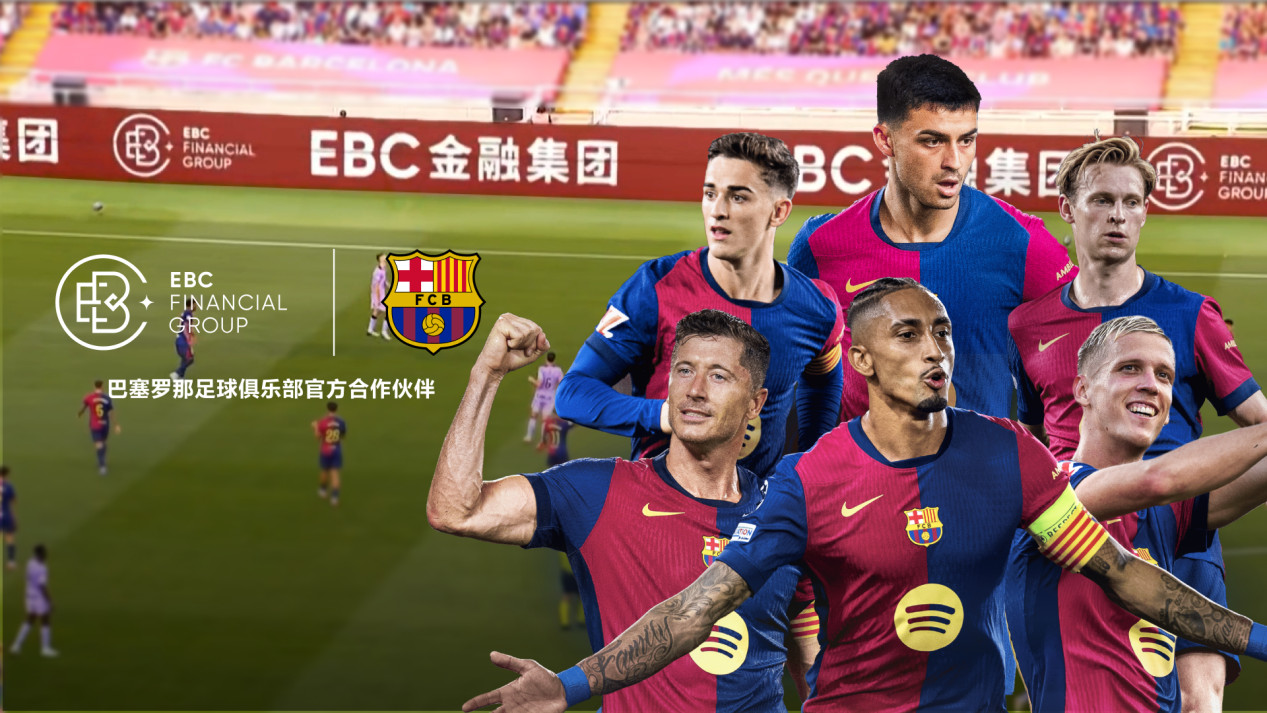
Matchday pitch-side digital advertising, repeatedly appearing in broadcast footage.
Shirt, training kit, or warm-up kit logos, continuously displayed in player images and videos.
Press conference backdrops, appearing in pre-match and post-match interviews.
Official club social media content, used to reach users who do not watch full matches.
Co-branded activities, including ticket draws, demo trading contests, and fan experience projects.
This communication format allows brokers to gain high-frequency reach within sports content. Especially in high-attention content such as goals, title celebrations, transfer announcements, and derby matches, sponsor logos may continue to spread through media coverage. For brokers, the value of sponsorship rights comes not only from stadium audiences, but also from subsequent digital distribution.
Regional Expansion Drives More Diverse Sponsorship Strategies
Football sponsorship by forex brokers is not always concentrated among elite European clubs. Some platforms choose regional partnerships in the Middle East, Southeast Asia, Latin America, or Africa to support local account opening, payment channels, language services, and customer support layouts. Football has strong recognition in these markets, and club partnerships can serve as a brand entry point when entering a market.
In mature regulated markets, sponsoring top-league clubs helps enhance a professional brand image. In emerging markets, sponsoring regional clubs or national team-related assets focuses more on reaching growth-oriented users. Some brokers also use a multi-club portfolio, combining exposure in European leagues with localized marketing to create an international brand impression.
European club sponsorships are often used to build brand reputation and an international image.
Sponsorships in the Middle East and Africa are often used to reach fast-growing young online users.
Latin American football assets are suitable for supporting expansion in Spanish- and Portuguese-speaking markets.
Asia-Pacific regional partnerships help combine local payments, educational content, and online activities.
Regulatory Risk Remains the Industry’s Core Variable
Football sponsorship can increase visibility, but it cannot reduce the risk of the trading products themselves. Contracts for difference (CFDs) allow users to speculate on price movements in stocks, forex, indices, commodities, or crypto assets without owning the underlying assets. Because these products usually involve leverage, both profits and losses can be amplified.
The UK Financial Conduct Authority (FCA) issued a warning on October 30, 2025, urging investors not to give up retail protections under pressure by becoming professional clients. The authority noted that some investors, influenced by social media financial promoters and overseas unregulated firms, may lose leverage limits and loss protection. The European Securities and Markets Authority (ESMA) introduced product intervention measures in 2018 for CFDs sold to retail clients, including leverage limits, mandatory negative balance protection, restrictions on trading incentives, and standardized risk warnings.
“These measures are an important step in strengthening investor protection in the European Union.”
Regulatory information shows that the risks of forex and CFD products do not disappear because a broker sponsors a famous team. When assessing a platform, investors should prioritize checking the license jurisdiction, regulatory status, client fund arrangements, trading fees, leverage rules, risk disclosures, complaint records, and withdrawal mechanisms. Sports sponsorship may indicate that a platform has a certain marketing budget, but it cannot independently prove its compliance level.
The Practical Value of Football Sponsorship for Brokers
From a commercial perspective, the value of football sponsorship mainly lies between long-term brand assets and short-term client acquisition campaigns. Partnerships with top clubs can enhance perceived credibility, regional club partnerships can help platforms enter new markets, and digital content collaborations can convert fan interest into registrations, demo accounts, educational courses, or event participation.
However, sponsorship also involves high costs, increased regulatory scrutiny, and brand association risks. If a platform faces problems involving client complaints, regulatory penalties, withdrawal delays, or misleading promotions, club partnerships may amplify negative attention. For clubs, choosing financial trading platform sponsors also requires reviewing licenses, reputation, regional compliance, and consumer risk.
Therefore, the core logic behind forex brokers increasing football sponsorship can be summarized in three points: football provides global distribution, clubs provide emotional trust, and match content provides continuous exposure. However, from a user protection perspective, sponsorship relationships should only be treated as one part of brand information and cannot replace regulatory verification and risk assessment.
FAQs on Forex Broker Football Sponsorships
Why do forex brokers prefer sponsoring football clubs?
The main reasons are football’s global reach, stable competition schedule, and high-frequency digital content. Brokers can continuously reach potential users through shirts, pitch-side advertising, social media, and club activities, while building brand awareness across international markets.
Does sponsorship of a well-known club prove that a broker is safe and reliable?
No. Club sponsorship is a commercial partnership and cannot replace checks on regulatory licenses, client fund protection, trade execution quality, fee transparency, and withdrawal records. When assessing platform reliability, users should focus on regulation and actual service records.
What is the main marketing value of football sponsorship for brokers?
The main value includes expanding brand exposure, entering new markets, improving brand familiarity, using fan activities for client acquisition, and extending the communication cycle through match content. Its effectiveness depends on the influence of the partner club, regional audience, and the platform’s compliance capabilities.
Why do regulators continue to focus on CFD and forex trading platforms?
Because CFD and leveraged forex products are structurally complex, and price volatility can lead to rapid losses. Regulators focus on leverage limits, risk warnings, client classification, trading incentives, negative balance protection, and whether platforms mislead retail users.