Beeks Financial Cloud reported FY2026 revenue of £40 million, up 11%, while net cash fell 91% to £630,000. The update covers infrastructure investment, recurring revenue growth, Exchange Cloud deployments and AI product adoption.
Beeks Financial Cloud FY2026 Revenue Rises 11% as Net Cash Falls to £630,000
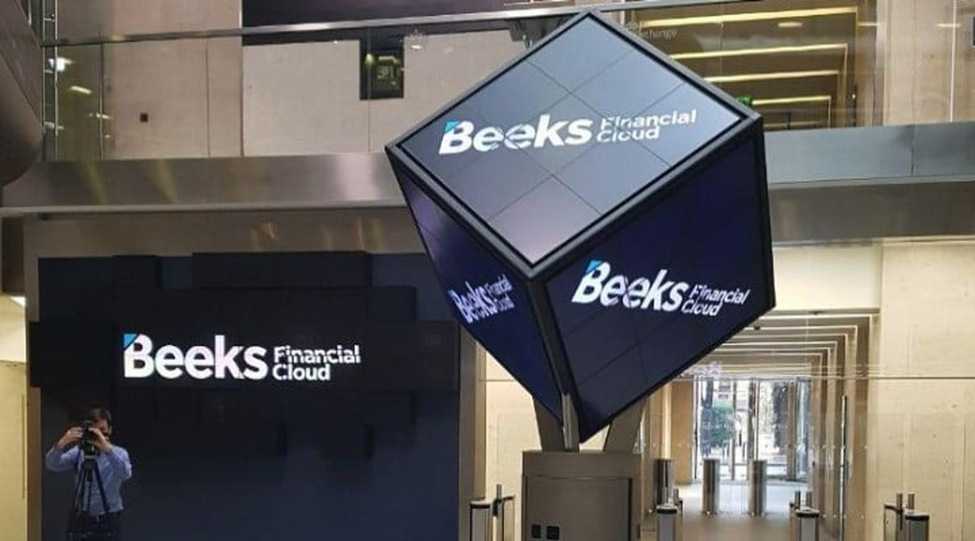
On 15 July 2026, London-listed cloud infrastructure provider Beeks Financial Cloud Group issued a trading update for the financial year ended 30 June 2026. Group revenue for the year was approximately £40 million, equivalent to around US$53.6 million, representing growth of approximately 11% from £35.9 million in the previous financial year and in line with market expectations.
During the same period, the group’s net cash position fell by approximately 91%, from £6.96 million a year earlier to around £630,000. The company attributed the cash outflow to upfront investment made towards the end of the financial year to support exchange infrastructure deployments. All figures are unaudited, with Beeks expected to publish its audited FY2026 results in October 2026.
(Source: Beeks Financial Cloud, FY2026 trading update, published 15 July 2026, statements relating to revenue, cash position and audit status.)
Timing of Performance Across the Financial Year
Performance was distributed unevenly between the first and second halves of the financial year:
First-half sales fell by 7% to £14.7 million, primarily because the company moved certain exchange clients to revenue-sharing contracts, delaying revenue recognition;
The second half delivered what the company described as a record performance, with most of the full-year revenue generated during this period;
At constant currency, full-year revenue increased by 12% to £40.7 million.
This growth rate was significantly lower than the 26% revenue growth previously reported by the company for FY2025.
Comparison of Key FY2026 Financial Indicators
| Indicator | FY2026 (Unaudited) | FY2025 | Change |
|---|---|---|---|
| Revenue | £40.0 million | £35.9 million | +11% |
| UnderlyingEBITDA | £16.0 million | £13.6 million | +18% |
| Underlying profit before tax | £6.2 million | £5.5 million | +13% |
| ACMRRat constant currency | £34.0 million | £29.5 million | +15% |
| Gross cash | £5.37 million | £7.36 million | -27% |
| Net cash | £630,000 | £6.96 million | -91% |
| First-half sales | £14.7 million | Approximately £15.8 million | -7% |
Upfront Infrastructure Investment Drives the Decline in Cash
At the end of the financial year, the group held gross cash of £5.37 million, down from £7.36 million a year earlier. The company explained that the decline resulted from upfront capital expenditure concentrated towards the year end and directed towards two areas.
Allocation of Funds
Supporting deployments under the new Exchange Cloud revenue-sharing model;
Expanding service capacity for the Proximity Cloud and private cloud offerings.
The company stated that some deployments are now generating positive cash flow and described the expenditure as a principal driver of growth in annualised committed monthly recurring revenue. At the financial year end, this metric had increased by 15% at constant currency to £34.0 million, compared with £29.5 million a year earlier.
The company also explained that the metric provides an indication of the expected direction of FY2027 performance. However, the final amount generated through revenue-sharing arrangements depends on client trading activity, which is outside the company’s control.
Competition Increases in the Exchange Infrastructure Market
Beeks operates in a specialist market providing connectivity, hosting and colocation services to exchanges and trading institutions. Between January and April 2026, competing providers announced a series of developments.
Competitor Developments
Options Technology completed its listing in April 2026 and announced direct connectivity to the Japanese alternative trading platform JAX;
Competitor TNS disclosed its connection to the same exchange in January 2026, three months earlier;
Pico provides financial-market cloud infrastructure across dozens of data centres;
Low-latency network operator Avelacom also competes for the same group of institutional clients.
Progress in AI Analytics Products and Exchange Clients
Market Edge Intelligence Secures Three Early Clients
Market Edge Intelligence, the artificial intelligence and machine-learning analytics platform launched by the company last year, is designed to monitor market and infrastructure data. Beeks stated that the platform secured three clients within several months of launch: a leading global bank, a North American exchange operator and a global financial services provider.
“Exceeded our expectations.”
The company said the contract wins reflected demand from large financial institutions, but did not disclose the contract values or the amount of revenue generated by the platform.
Kraken and ASX Achieve Monthly Profitability Under Revenue-Sharing Model
During the financial year, Beeks announced two new Exchange Cloud deployment agreements with Canada’s TMX and South America’s nuam. The company stated that Kraken, its first cryptocurrency exchange client, had entered the second phase after selling out the capacity available during the first phase. Under the revenue-sharing model, Kraken and the Australian Securities Exchange (ASX) are now both generating monthly profits. Kraken has been preparing for a planned listing, including connecting its matching engine to Avelacom’s network in December 2025.
Until the audited results are published in October 2026, key figures, including the net cash balance, remain unaudited. Net cash has fallen to a small proportion of the level recorded a year earlier, making it the individual metric showing the largest movement in the trading update.
Questions About Beeks Financial Cloud’s Annual Results
What period does Beeks’ FY2026 cover?
The financial year ended on 30 June 2026. The announcement is a trading update and its figures are unaudited. The complete audited results are expected to be published in October 2026.
Why did net cash fall by more than 90%?
The company attributed the decline to upfront capital investment concentrated towards the end of the financial year. The funds were used to support new Exchange Cloud revenue-sharing deployments and expand capacity for Proximity Cloud and private cloud services. Beeks stated that some deployments are already generating positive cash flow.
Why did first-half revenue decline while full-year revenue still increased?
First-half sales fell by 7% to £14.7 million because certain exchange clients were moved to revenue-sharing contracts, delaying revenue recognition. Most of the full-year revenue was generated during the second half.
What is ACMRR and why does the company emphasise it?
ACMRR stands for annualised committed monthly recurring revenue and is used by the company to measure predictable future revenue. At the financial year end, it had increased by 15% at constant currency to £34.0 million. Beeks stated that it provides an indication of the expected direction of FY2027 performance, although actual revenue-sharing income depends on client trading activity.
How does the revenue-sharing model differ from a traditional contract?
Under a revenue-sharing model, Beeks’ income is linked to the volume of a client’s trading activity rather than recognised as a fixed contractual amount. This can delay revenue recognition and means that part of the eventual revenue is outside the company’s direct control.
How much revenue does Market Edge Intelligence currently generate?
The company has not disclosed this information. Publicly available details show only that the platform secured three clients within several months of launch: a leading global bank, a North American exchange operator and a global financial services provider. Neither the contract values nor the resulting revenue have been disclosed.