English Description: US Central Command chief Brad Cooper advised halting air strikes around the Strait of Hormuz, shaping Trump's 24 July ceasefire order. Review the timeline, assessment and implications for shipping and commodity markets.
Cooper Recommends Halting Bombing Operations Around the Strait of Hormuz
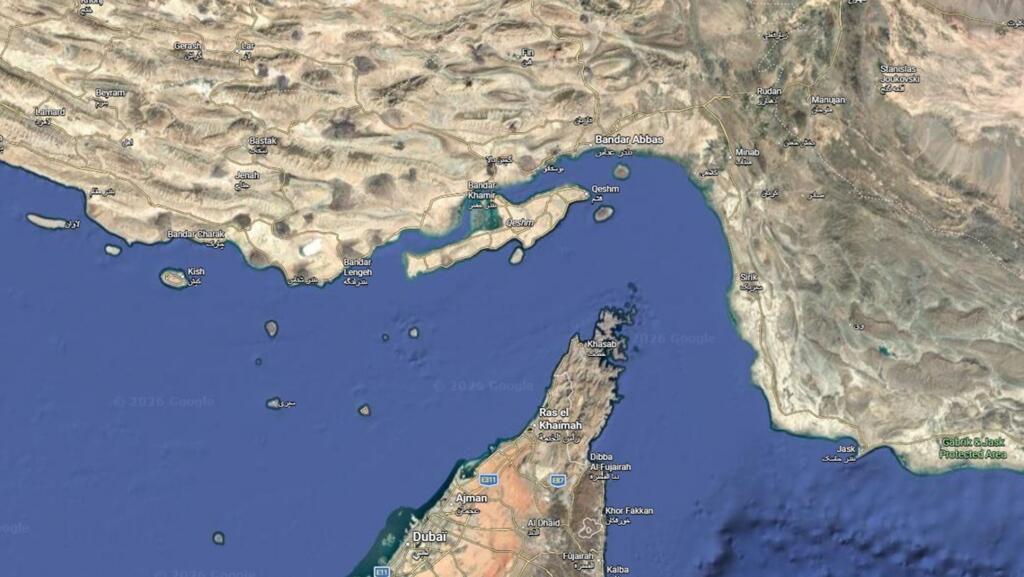
On 26 July 2026 local time, two sources disclosed that General Brad Cooper, Commander of US Central Command, had recommended halting bombing operations around the Strait of Hormuz, on the grounds that these operations had already reached the limits of their effectiveness. According to the sources, the recommendations put forward by Cooper and other advisers influenced the decision taken by US President Trump on 24 July 2026 to suspend American strikes on Iran. Both Trump's military and civilian advisers acknowledged that the objectives achievable through military action, and through air power operations in particular, are limited.
The sources stated that Cooper had presented his recommendations to the Pentagon, the Joint Chiefs of Staff and the White House earlier this week. He emphasised that the two weeks of air strikes conducted in the Strait of Hormuz region had significantly degraded Iran's capacity to attack vessels. Cooper noted that the designated bombing targets had largely been destroyed and that, in the absence of a decision to resume large-scale combat operations, there was no point in continuing the bombing campaign of the previous two weeks.
(Source: CCTV News, US Central Command Commander Recommends Halting Bombing in the Strait of Hormuz Region, published: 26 July 2026, decision-making process section.)
How the Ceasefire Decision Took Shape
According to the sources, this was the first time in two weeks that Trump had ordered the military to cease fire, a decision taken following meetings with senior advisers and military officials. In the days leading up to the meetings, Trump had been inclined to return to major combat operations, but his thinking began to shift on the evening of 23 July 2026, and the decision to halt the bombing of the Strait was consolidated on 24 July 2026.
Decision Timeline
| Date | Parties Involved | Event | Outcome or Impact |
|---|---|---|---|
| From early July 2026 | US Central Command | Conducted two weeks of air strikes in the Strait of Hormuz region | Significantly degraded Iran's capacity to attack vessels |
| Earlier this week | Brad Cooper | Presented recommendations to the Pentagon, the Joint Chiefs of Staff and the White House | Advocated halting bombing operations |
| Evening of 23 July 2026 | Trump | Began to change his thinking | Shifted from favouring a return to combat towards considering a ceasefire |
| 24 July 2026 | Trump | Decided to suspend strikes on Iran | Ordered the military to cease fire for the first time in two weeks |
The Core Rationale Behind Cooper's Recommendation
-
Two weeks of air strikes have significantly degraded Iran's capacity to attack vessels.
-
The designated bombing targets have largely been destroyed.
-
The bombing operations have reached the limits of their effectiveness.
-
Absent a resumption of large-scale combat operations, continued bombing serves no practical purpose.
Assessment of the Operation's Effectiveness
The air campaign around the Strait of Hormuz was codenamed "Operation Epic Fury". According to military assessments, the operation's primary strike targets have broadly been completed, although roughly 20% of targets remain unstruck. In their assessments, Trump's military and civilian advisers acknowledged that there is an inherent ceiling on the strategic objectives attainable through air power operations, a judgement that became an important pillar of the ceasefire decision.
Possible Courses of Action Ahead
-
Maintain the current ceasefire and monitor the shipping security situation in the Strait of Hormuz.
-
Resume large-scale combat operations should conditions change, in order to complete the remaining 20% of unstruck targets under "Operation Epic Fury".
Cooper emphasised that a possible next step would be to resume large-scale combat operations in order to complete the remaining 20% of targets not yet struck by US forces under "Operation Epic Fury". This implies that the current ceasefire is a phased arrangement rather than a definitive end to military action against Iran.
(Source: CCTV News, US Central Command Commander Recommends Halting Bombing in the Strait of Hormuz Region, published: 26 July 2026, operational assessment and subsequent arrangements section.)
Potential Implications for Regional Shipping Security
The Strait of Hormuz is a critical corridor for global energy transportation, and the intensity of military activity in the region bears directly on international shipping and on risk appetite in commodity markets. In the short term, the ceasefire decision helps to ease market concerns over disruption to navigation through the Strait; however, because a resumption of large-scale combat operations remains on the table as an option, uncertainty surrounding the regional situation has not been fully dispelled, and subsequent developments will depend on whether the United States restarts operations and on Iran's response. As at 26 July 2026, the White House and the Pentagon had yet to issue further clarification regarding the duration of the ceasefire or the conditions attached to it.