US-Iran tensions pushed oil above $110, pressuring Asian equities, bond yields, gold, and global inflation expectations.
Tensions Enter a New Trading Day
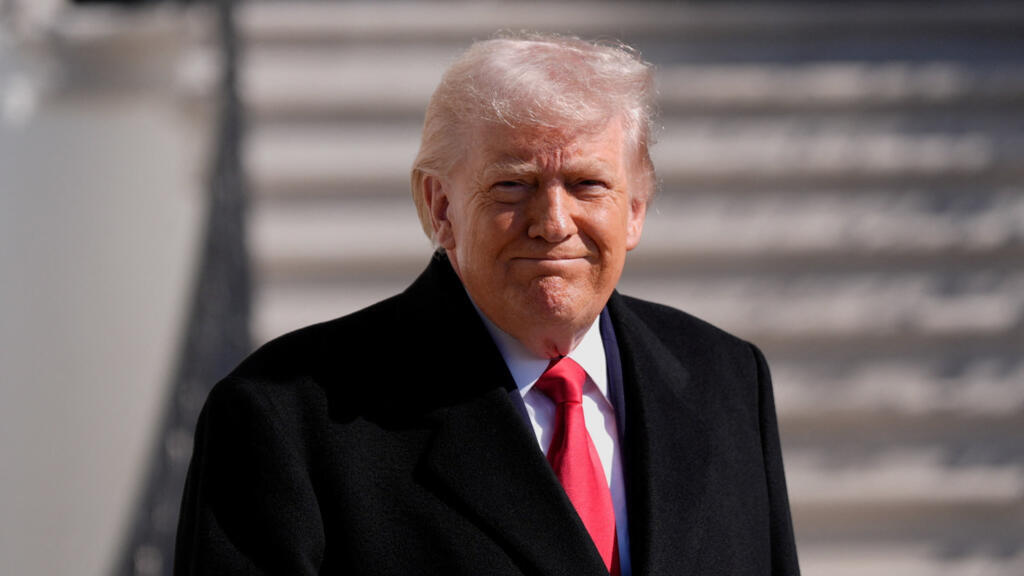
On 18 May 2026, military and diplomatic uncertainty surrounding Iran continued to dominate global markets. Public reports showed that U.S. President Donald Trump issued a tough warning to Iran on 17 May 2026, after which whether the United States and Israel would resume military action against Iran became a key market focus. Energy markets reacted first, with Brent crude rising above $110, most Asian stock markets coming under pressure, and U.S. Treasury and Japanese government bond yields rising in tandem.
According to Reuters on 17 May 2026, Trump urged Iran on social media to act quickly and said time was running out. The remarks came against the backdrop of stalled Iran-related negotiations, rising security risks in the Gulf region, and strengthened security meeting arrangements on the Israeli side.
“For Iran, the clock is ticking. They had better move quickly, or there will be nothing left. Time is of the essence.”
Key Developments from 17 May to 18 May
On 17 May 2026, Trump publicly warned Iran, increasing uncertainty over whether a ceasefire and negotiations could continue.
On the same day, a drone attack occurred near the Barakah nuclear power plant in the United Arab Emirates and triggered a fire. Associated Press reports showed that the incident caused no casualties and no radiation leak.
On 18 May 2026, crude oil prices continued to rise during Asian trading hours, with both Brent crude andWTIcrude remaining at elevated levels.
On the same day, most Asian stock markets weakened and U.S. stock futures also declined, as investors repriced energy inflation, interest rate paths, and corporate valuations.
| Date | Key Development | Market Reaction | Source and Time |
|---|---|---|---|
| 2026-05-17 | Trump issued a tough warning to Iran | Markets increased risk pricing for a breakdown in talks and military escalation | Reuters, 2026-05-17 |
| 2026-05-17 | A drone attack occurred near the UAE’s Barakah nuclear power plant | Concerns over the security of Gulf energy infrastructure intensified | Associated Press, 2026-05-17 |
| 2026-05-18 | Brent crude rose to around $111.31 per barrel | Energy inflation pressure was repriced into asset prices | Associated Press, 2026-05-18 |
| 2026-05-18 | Spot gold traded around $4,536.45 per ounce | High yields weakened the appeal of non-yielding assets | Reuters, 2026-05-18 |
| 2026-05-18 | The U.S. 10-year Treasury yield rose to around 4.631% | Bond selling reflected rising inflation and rate hike expectations | Reuters, 2026-05-18 |
Risk Assets Come Under Pressure After Oil Breakout
Energy prices became the core market variable on 18 May. The Associated Press reported on 18 May 2026 that Brent crude rose to around $111.31 per barrel, while U.S. crude climbed to around $107.83 per barrel. Reuters’ global markets report on the same day also showed Brent crude trading above $111 at one point, while U.S. crude approached $108 per barrel. High oil prices directly affect cost-sensitive industries such as transportation, manufacturing, chemicals, and aviation, and further influence bond and equity valuations through inflation expectations.
In Asia-Pacific markets, the Associated Press reported on 18 May 2026 that Japan’s Nikkei 225 fell by around 0.9%, Hong Kong’s Hang Seng Index dropped by around 1.6%, the Shanghai market weakened slightly, and markets in Australia, Taiwan, and India also declined. South Korea’s market retreated after rising earlier in the session. As authoritative sources did not directly confirm the circuit breaker mentioned in the original draft, this article does not include that claim as a confirmed fact in the main narrative.
Gold and Bond Markets Send Different Signals
Authoritative sources did not confirm that gold had fallen below the $4,500 threshold. Reuters reported on 18 May 2026 that spot gold was trading around $4,536.45 per ounce, while U.S. June gold futures fell to around $4,539.90 per ounce. The main pressure on gold came from rising long-term yields, as investors reassessed the opportunity cost of holding non-yielding assets.
Rising crude oil prices intensified concerns over imported inflation, with energy prices transmitting into household fuel, corporate transportation, and industrial raw material costs.
Rising bond yields showed that investors were demanding higher term compensation, with both U.S. 10-year and 30-year Treasuries under selling pressure.
Technology and semiconductor sectors are more sensitive to interest rate changes, as higher discount rates for future cash flows compress the valuation room for high-multiple assets.
Safe-haven assets showed divergent performance. Gold did not continue to benefit from rising geopolitical risk, indicating that interest rate factors carried greater weight in that day’s trading.
Focus Shifts to Negotiations and Supply
The core issue in the current situation is not only the military rhetoric itself, but whether the Strait of Hormuz, Gulf energy facilities, and diplomatic negotiations can deliver signs of easing. If disruptions to Gulf transportation persist for longer, the supply risk premium in crude oil may remain elevated. If the United States, Iran, or relevant regional countries signal progress in negotiations, oil prices and risk assets may see a temporary recovery.
For global central banks, high oil prices make policy assessment more difficult. TheFedcan hardly shift easily toward easing before inflation pressure subsides, while the European and UK central banks also need to assess the impact of energy prices on household inflation expectations. Reuters reported on 18 May 2026 that the global bond sell-off deepened, with investors paying greater attention to the possibility of future rate hikes.
Short-term variables include subsequent statements from the United States, Israel, and Iran, as well as whether Gulf energy infrastructure is attacked again.
Medium-term variables include the actual crude oil supply gap, the scale of strategic reserve releases, and inventory changes in major consuming countries.
Macro variables include U.S. inflation data, remarks by central bank officials, and corporate earnings explanations of rising costs.
Sources and timing: Reuters reports from 17 May 2026 to 18 May 2026, Associated Press reports from 17 May 2026 to 18 May 2026, and Trading Economics market data on 18 May 2026.
Questions on Escalating U.S.-Iran Tensions
Why did oil prices quickly rise above $110 on 18 May?
The main reason was market concern that energy facilities in the Gulf region and transportation security in the Strait of Hormuz could be affected. After Trump issued a tough warning to Iran, investors raised the risk premium for supply disruptions, causing crude oil prices to rise rapidly.
Why did gold not rise significantly in line with geopolitical risk?
Gold usually has safe-haven characteristics, but on 18 May, rising long-term bond yields increased the opportunity cost of holding non-yielding assets. Interest rate pressure offset part of the safe-haven demand during that day’s trading, leaving gold relatively weak.